

We are not merely observing the emergence of new products; we are witnessing the next major shift in how heat, hot water, and energy are produced, stored, and delivered. Numerous factors are contributing to the decline of an entire global industry and its parallel replacement by technologies designed to provide greater affordability, efficiency, and sustainability for consumers in both residential and commercial buildings.
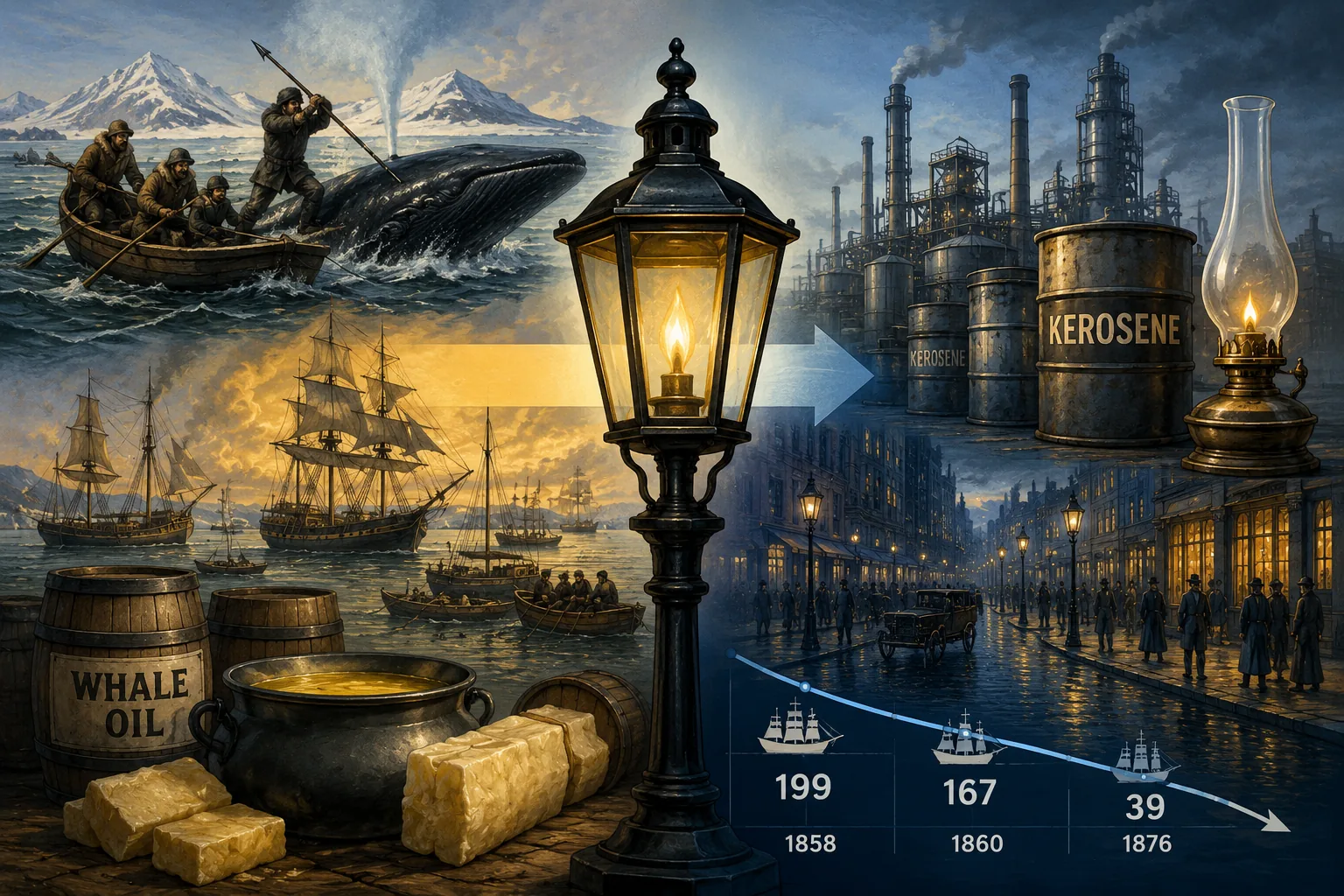
History shows that existing energy systems do not disappear because they are familiar; they are replaced when a better combination of cost, convenience, and performance emerges. Whaling is a vivid example of how new ideas and subsequent technologies replace old, established methods. Before the discovery and adoption of kerosene, whale oil was used as an important ingredient for lighting street lamps indoors and outdoors. Archaeological evidence from 3000 BC indicates that Arctic Inuit tribes are believed to have hunted whales as a source of food and fuel. Other cultures adopted this strategy, and whaling became a massive global industry throughout the 1500s and 1600s. This period of whaling created broad demand for whale oil, which persisted for centuries until roughly 1854-1856.
With the advent of kerosene as a cheaper, mass-produced energy source, whale oil ceased to be the primary fuel for household and commercial needs. The American whaling fleet steadily expanded and peaked at 199 ships in 1858. By 1860—a period coinciding with the rise of kerosene—this number had fallen to 167 ships. By the beginning of 1876, only 39 whaling ships remained, demonstrating the impact of kerosene on the American whaling industry.
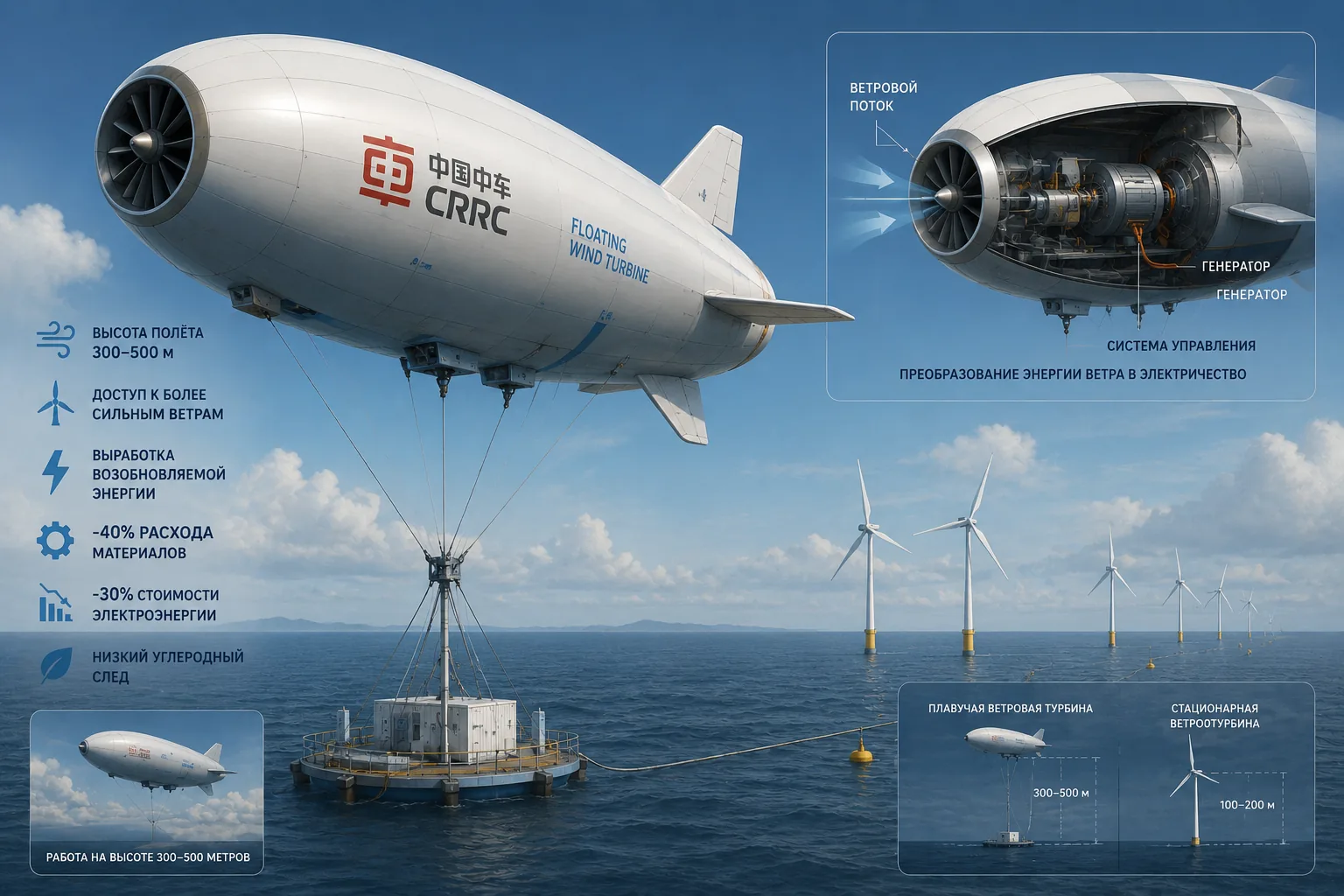
Instead of fixed wind turbines, the Chinese have begun extracting energy from floating wind turbines located offshore. This new invention looks like an airship hovering in the air—think of the Good Year blimp—shaped like a jet engine, but used to generate renewable energy. Using a portable approach to capture and convert wind energy into electricity brings a number of immediate benefits: first, a 40% reduction in material use compared with traditional fixed wind turbines. Electricity costs are also reduced by a further 30%.
The floating wind turbine is positioned at an altitude of 300 to 500 meters, which is higher than a fixed installation. This makes it possible to capture energy from stronger winds and therefore generate more renewable energy with lower material costs and improved returns. Full-scale commercial availability of floating wind turbines is expected.
Reportedly, AIR (the Institute of Aerospace Information) at the Chinese Academy of Sciences researcher Gong Zeqi said: “When wind speed doubles, the energy it carries increases eightfold; triple it—and it increases 27-fold.” (Interesting Engineering, September 24, 2025.)
China is optimistic about the potential of airborne wind power. The National Development and Reform Commission will study development priorities for large-scale high-altitude wind generators for the period from 2016 to 2030.
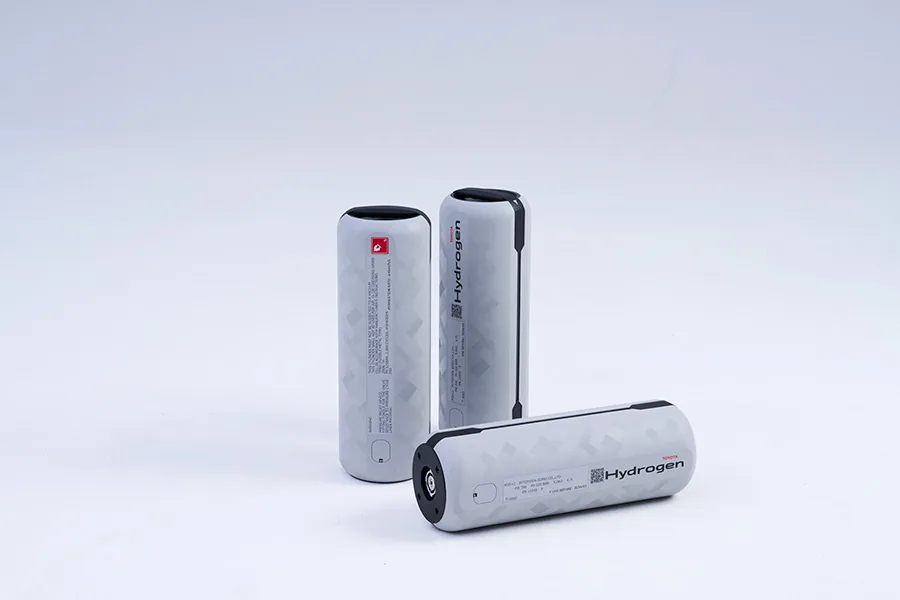
Similar innovations are also being applied to refueling cars with hydrogen. One of the challenges for hydrogen fuel cars is refueling. A standard hydrogen car is equipped with a small battery that draws energy from an outlet. Because there are few hydrogen refueling stations, companies such as Toyota have developed a solution.
Hydrogen cars can now be refueled using portable cartridges that are inserted manually. This means greater convenience for customers and instant access to energy for hydrogen car owners.
Although hydrogen fuel cars do not yet meet high commercial standards, multinational brands known for robust manufacturing principles, such as Toyota, are implementing these ideas in anticipation of market growth.
Hydrogen energy will develop rapidly only if innovation can overcome everyday barriers related to ease of use, infrastructure, and consumer comfort.
In 2025, Toyota Motor Corporation achieved record global vehicle sales, selling about 11.3 million units, up 4.6% from the previous year. These statistics allow Toyota to rank first in the world in vehicle sales for the sixth consecutive year.
New innovations are now emerging that expand heating and hot water capabilities. Thermochemical energy storage systems can be developed and deployed as an add-on option for residential and commercial property owners who need heat and hot water.
A thermochemical energy storage system is capable of providing home heating and hot water through a chemical reaction. Thermochemical energy storage is based on using heat obtained from industrial waste or surplus solar-panel energy, which is added to materials such as hydrates or salt hydroxides. This heat breaks down the materials and separates them into two distinct chemical forms.
Both forms are stored separately at room temperature, which retains the stored heat. Because both forms are kept separate, all heat is absorbed and can be released only through deliberate interaction. Energy is released when the two separate forms are combined again, releasing energy as powerful, efficient heat for commercial and residential spaces.
Thermochemical energy storage systems have a number of advantages, including: very high energy density; no heat loss—the ability to store energy accumulated during the summer period for the winter months; temperature versatility across applications—meaning alternative chemical reactions can produce greater amounts of heat. For example, it is possible to obtain heat at 100 °C for heating residential spaces, or heating to a temperature above 800 °C for industrial use.
In the energy sector, most global leaders have recognized that fossil fuels are essentially the modern equivalent of whale oil. Low-carbon technology developers and engineers are working to create the next “kerosene” and are offering various innovative options to achieve this goal. Technological improvements require a return to earlier methods, as the process of perpetual recycling continues.