

Groundbreaking Environmental Science & Technology Study
A groundbreaking study published in Environmental Science & Technology found that dogs significantly affect indoor air quality (IAQ) in homes. They act as major sources of pollutants such as carbon dioxide (CO₂), ammonia (NH₃), ozonated volatile organic compounds (VOCs), particulate matter, bacteria, and fungi.
Experimental Methodology
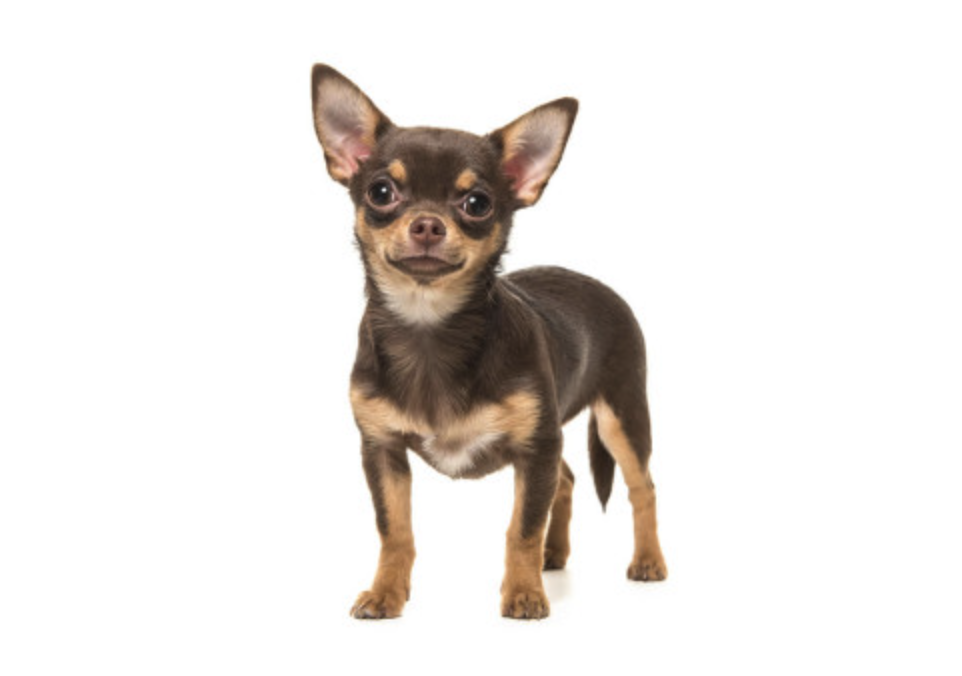
The study was conducted in a climate-controlled laboratory with a volume of 62 m³ in Lausanne, Switzerland. During two-hour sessions, researchers tested four small Chihuahuas and three large breeds—a Mastiff, a Tibetan Mastiff, and a Newfoundland. Control experiments were set up to isolate the human contribution.
Key Findings
- 🔹 Large dogs emit 2–4 times more bacteria and fungi than a seated adult human.
- 🔹 They produce CO₂ and NH₃ at levels comparable to those of humans.
- 🔹 In some cases, total emissions from large dogs exceed human emissions.
Limitations and Outlook
The study authors note methodological limitations and emphasize the need for further research into the health impacts of these factors, as well as the development of mitigation strategies. The findings could potentially change HVAC&R industry approaches to managing indoor air quality in homes with pets.