

Italian scientists have found that trifluoroacetic acid (TFA), which forms in the atmosphere as some fluorinated refrigerants break down, significantly reduces antibody production in experiments on human cells. The effect proved comparable to exposure to perfluorooctane sulfonic acid (PFOS), known for its immunotoxic properties. The study was conducted at the Laboratory of Toxicology and Risk Assessment of the University of Milan with support from the European Food Safety Authority (EFSA).
The study titled «Decoding PFAS immunotoxicity: a NAMs-based comparison of short vs. long chains» involved:
- professor of toxicology Emanuela Corsini
- researchers Valentina Galbiati and Martina Julini
- professor Marina Marinovich
The scientists assessed the potential toxicity of TFA to humans for the first time using new approaches based on human cells. They compared the impact of ultra-short-chain TFA (two carbon atoms) with long-chain PFAS such as PFOS and PFOA, and found that chain length is not a reliable indicator of immunotoxicity.
Where TFA comes from 🌍
TFA is formed:
- as a result of the complete breakdown of the refrigerant HFO-1234yf over 2 weeks
- during the partial degradation of other HFO and HFC-134a
- when some pesticides and pharmaceuticals break down
At present, TFA is considered the most widespread PFAS in the environment, drinking water, and food. It is found in human blood serum, including at median concentrations of about 17 ng/mL according to studies in North Carolina.
Experimental results 🧪
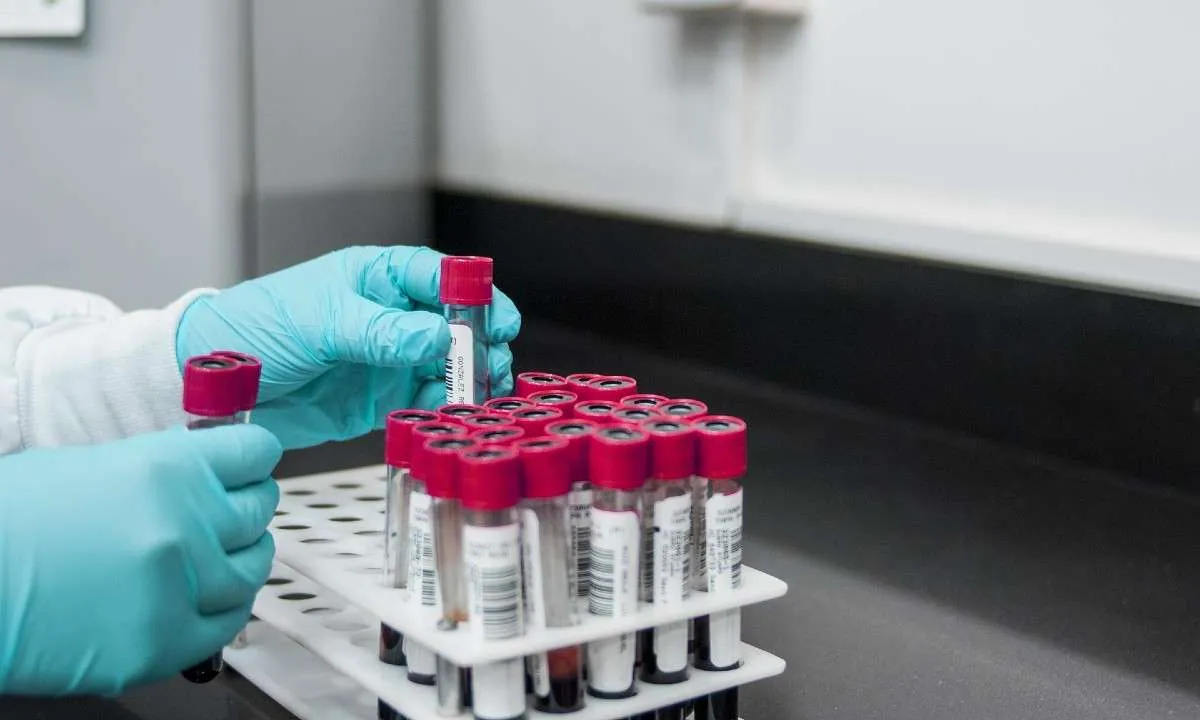
In experiments with donors’ peripheral blood mononuclear cells, TFA and PFOS at concentrations of 0.001, 0.1 and 10 µg/mL suppressed the production of IgG and IgM antibodies without damaging the cells themselves.
- The reduction in antibody stimulation readouts was statistically significant already at 0.1 µg/mL for PFOS
- and occurred in a similar manner for TFA
The authors concluded that even ultra-short-chain PFAS can exert a strong immunosuppressive effect comparable to that of long-chain counterparts.